
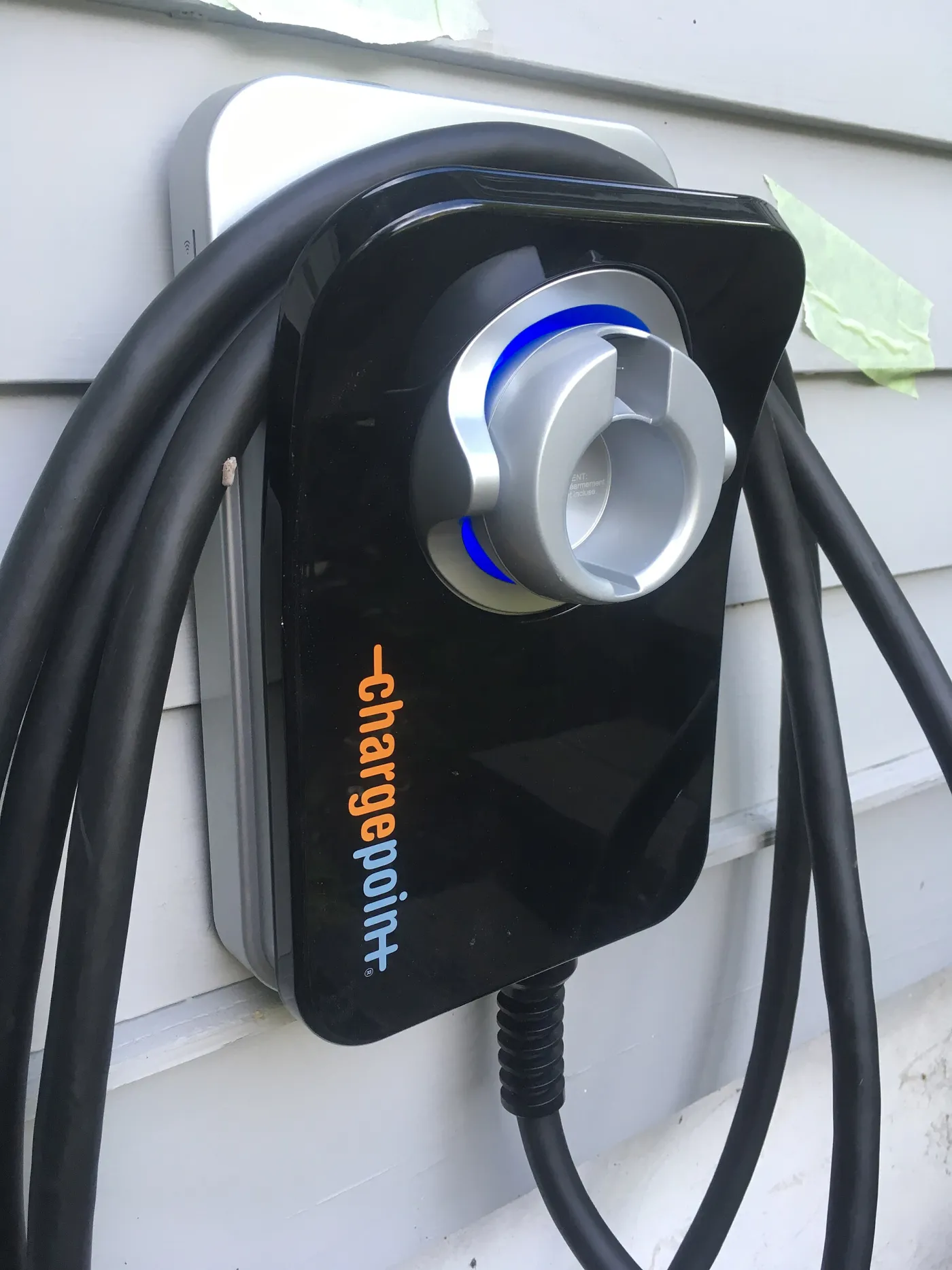

AC 7.4 kW wallbox
9 Indian manufacturers build this
- Power
- 7.4 kW
- Connector
- Type 2
- Charge time
- 6–8 hours for a 40 kWh car
Homes, villas, individual society parking bays
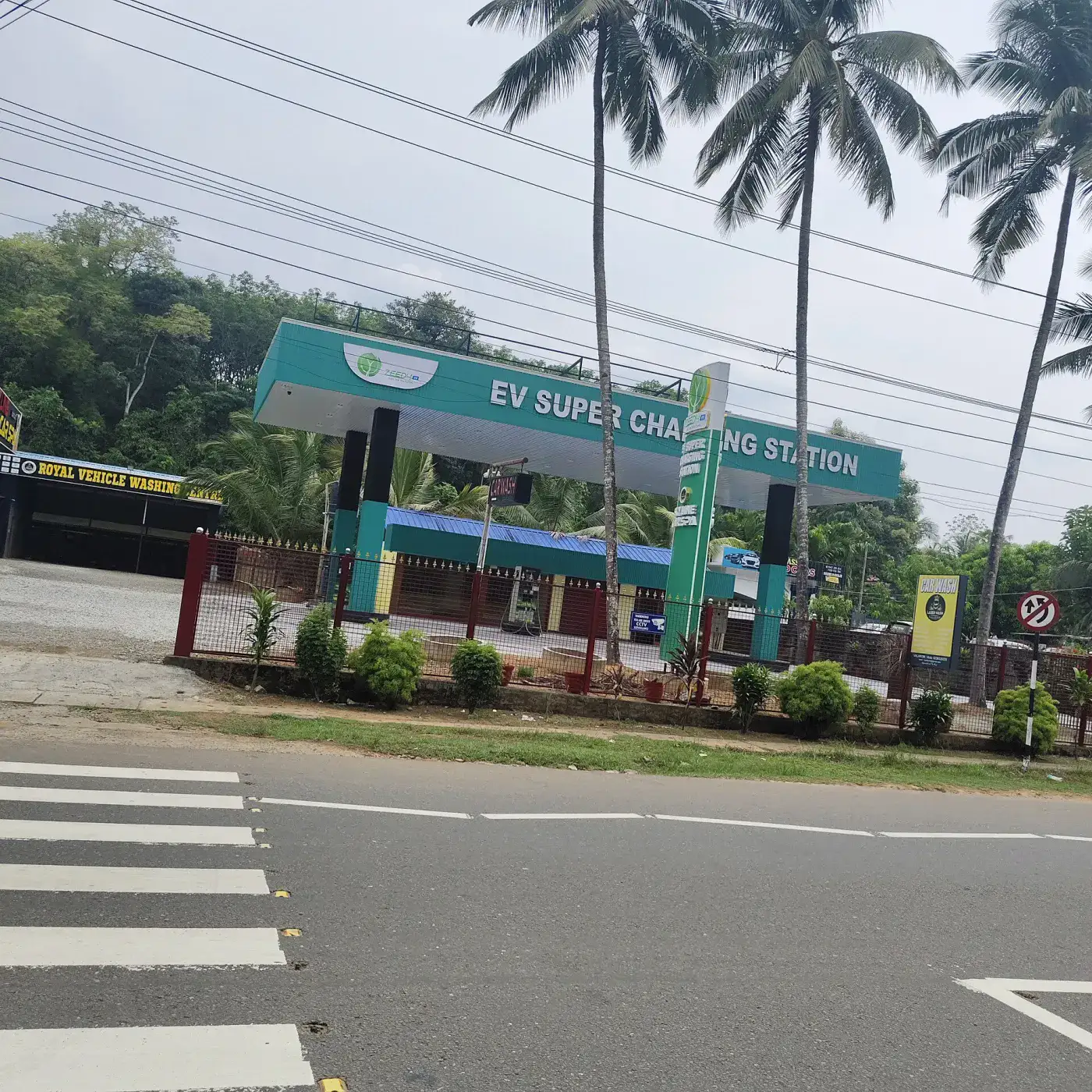
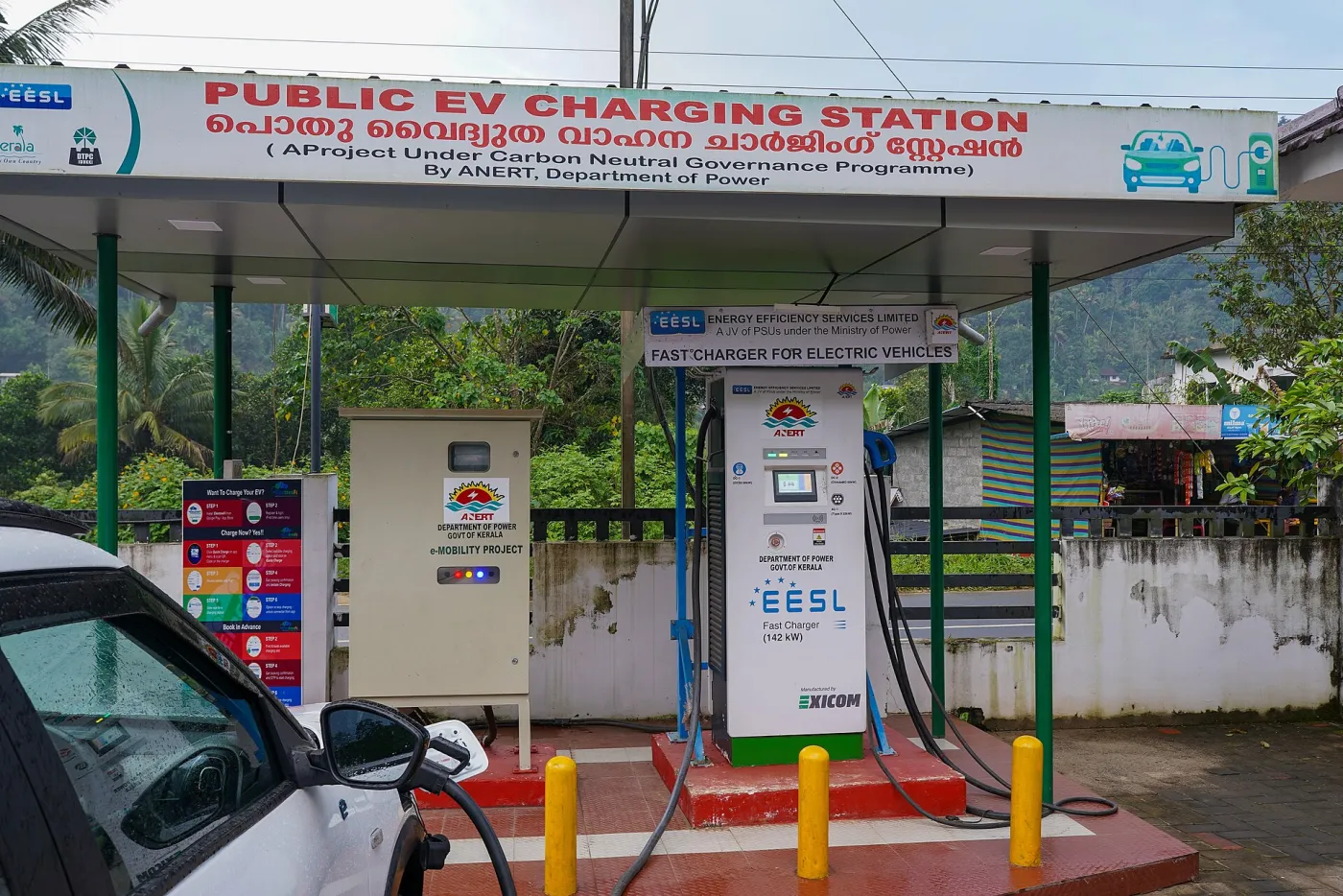
A high-power public charging station at Valakom, Kerala.
Photo by Sujithshivam511, CC BY-SA 4.0
A single 60 kW dual-gun DC charging station costs roughly ₹9 to 19 lakh all-in in India in 2026. The charger itself is ₹6–10 lakh. The rest — civil work and canopy, a transformer or sanctioned-load upgrade, and the DISCOM commercial connection with its deposits — adds ₹3–9 lakh depending entirely on what electrical infrastructure your site already has.
A 7.4 kW AC charger for a home is a completely different proposition at ₹45,000 to ₹1.2 lakh installed.
Almost every quote you receive will show you the hardware price. That number is the easiest part to compare and the least useful, because two sites buying the identical charger can end up ₹5 lakh apart on total cost. What separates them is the electrical work, and that is site-specific.
Here is what the five lines look like for a typical 60 kW dual-gun DC station. Compare vendors on the bottom row, never the top one.
Opens a chat on +91 77788 04214. Nothing is stored here — you press send. Free for buyers: manufacturers pay us when a deal closes.
Your message
| What you are paying for | Low | High | Why it moves |
|---|---|---|---|
| Civil work, canopy, foundation, cabling | ₹1.5 L | ₹3.0 L | Higher if you want weather protection and lighting, which you should. |
| Transformer or sanctioned load upgrade | ₹1.0 L | ₹4.0 L | The single most common budget shock. Depends entirely on your existing feeder. |
| DISCOM commercial connection, deposits, liaisoning | ₹0.50 L | ₹2.0 L | Security deposit scales with sanctioned load and is refundable but ties up cash. |
| Network software, signage, commissioning, first-year AMC | ₹0.40 L | ₹1.5 L | Platform commission on every unit sold is separate and ongoing. |
| Site works, before equipment | ₹3.4 L | ₹10.5 L | Add the manufacturer's equipment quote to this. Compare the total, never the hardware alone. |
A commercial electricity connection is sanctioned at a particular load. If you want to run a 60 kW charger, you need at least that much headroom on top of whatever the site already draws. Where the existing feeder or distribution transformer cannot carry it, the DISCOM will ask you to pay for the upgrade — and the cost swings from about ₹1 lakh for a modest increase to ₹4 lakh or more if a new transformer or dedicated feeder is involved.
This is almost never in the vendor's quote, because the vendor does not know your feeder. It is the single most common reason a project that looked like ₹10 lakh becomes ₹15 lakh. The only way to find out is to check your sanctioned load and ask your DISCOM before you sign anything, which is exactly what we do on the call.
A commercial connection bills you monthly on your sanctioned demand whether you use it or not. Sanction 120 kW and run at 10% utilisation and you are paying every month for capacity you never sell. This is why oversizing a charger "to be future-ready" is usually a mistake in year one — the fixed charge eats the margin on the units you do sell.
A well-sited 60 kW station realistically clears ₹25,000 to ₹80,000 a month in gross margin in its first year.
The arithmetic: six cars a day at 25 kWh a session is 4,500 units a month. Sold at ₹20 and bought at ₹8, that is ₹90,000 of revenue and ₹54,000 of spread, before platform commission, demand charges, AMC and rent. The same hardware at two cars a day loses money.
Utilisation is the only variable that really matters, and it is the one every vendor projection is optimistic about. Most Indian public chargers run below 8% of their theoretical capacity. Model your site at four cars a day, not twelve, and see whether you would still sign.
Set the inputs to what you honestly believe about your location, not what you hope. The calculator subtracts demand charges, a 5% platform commission and AMC, which vendor calculators leave out.
Indicative only, and deliberately includes the costs vendor calculators leave out. It excludes rent, staff, GST treatment and your DISCOM's specific demand-charge structure.
Indicative planning numbers. Real figures depend on your roof structure, shading, your state's net-metering terms and your sanctioned load.
Power rating is a business decision, not a technical one. Buy for the dwell time your site actually has.
9 Indian manufacturers build this
Homes, villas, individual society parking bays
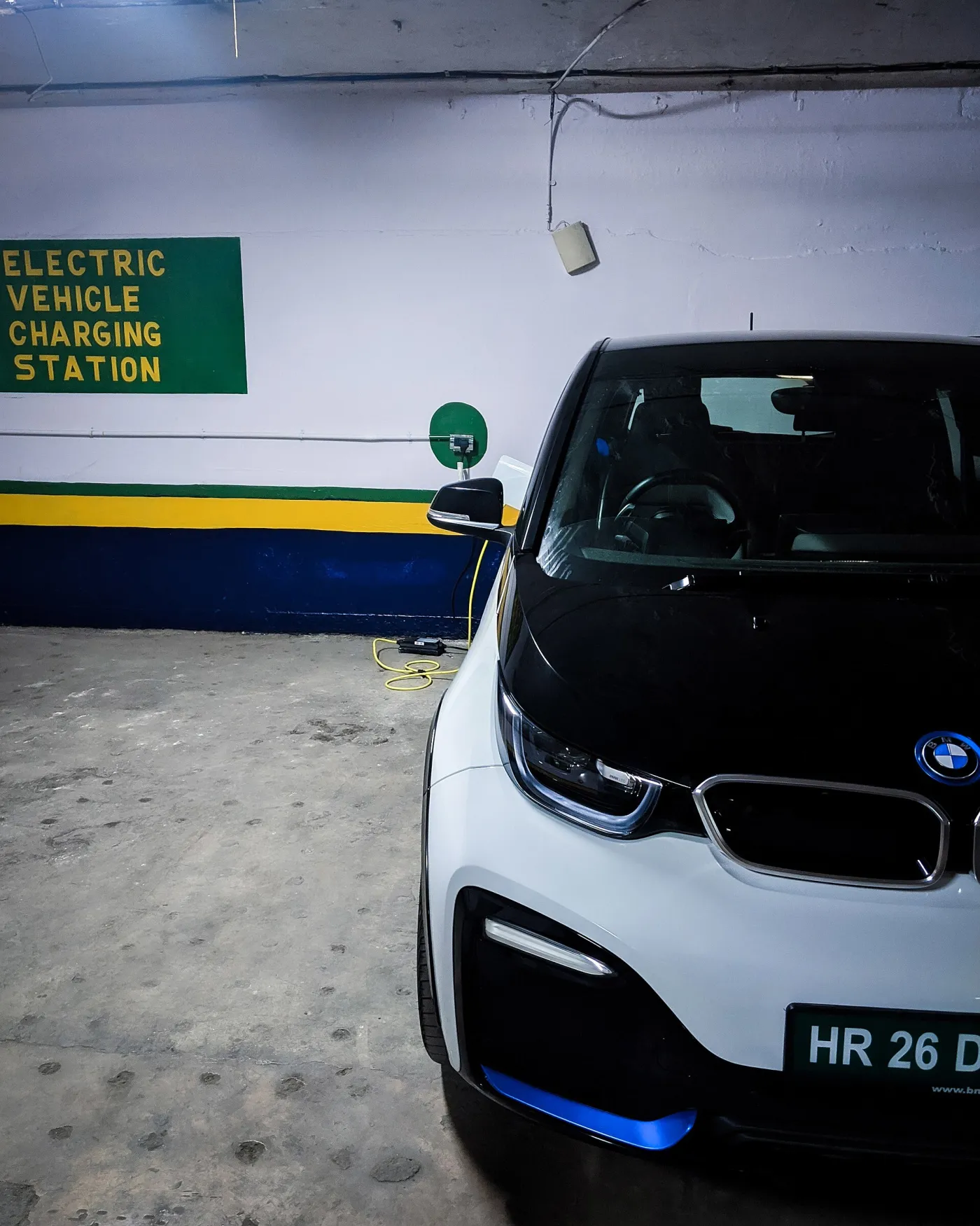
20 Indian manufacturers build this
Offices, hotels, malls, long-dwell parking
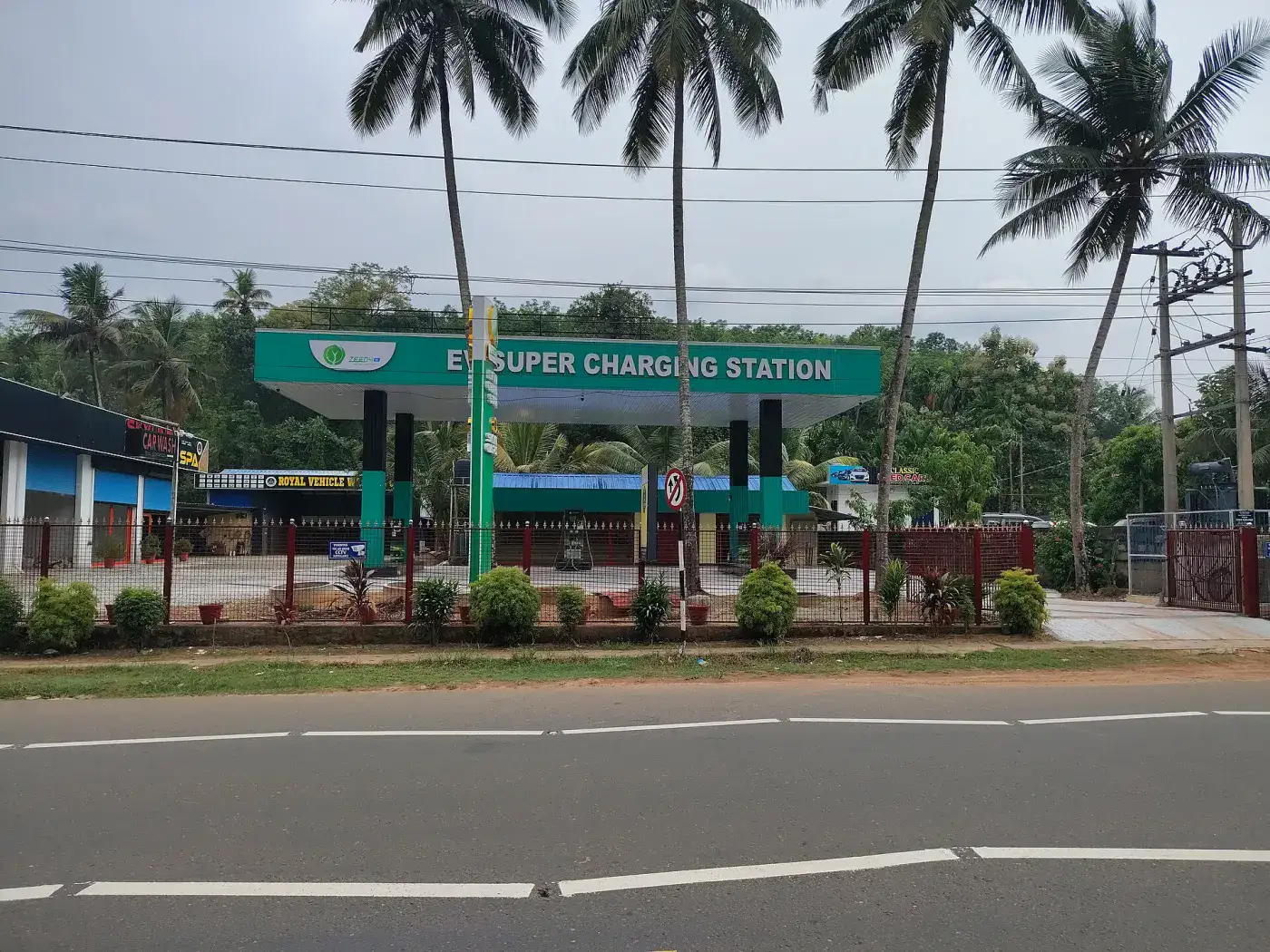
24 Indian manufacturers build this
Small commercial sites, dealerships, single-gun captive use
24 Indian manufacturers build this
Public stations, petrol pumps, highway sites, hotels
24 Indian manufacturers build this
Highway corridors, high-footfall urban hubs
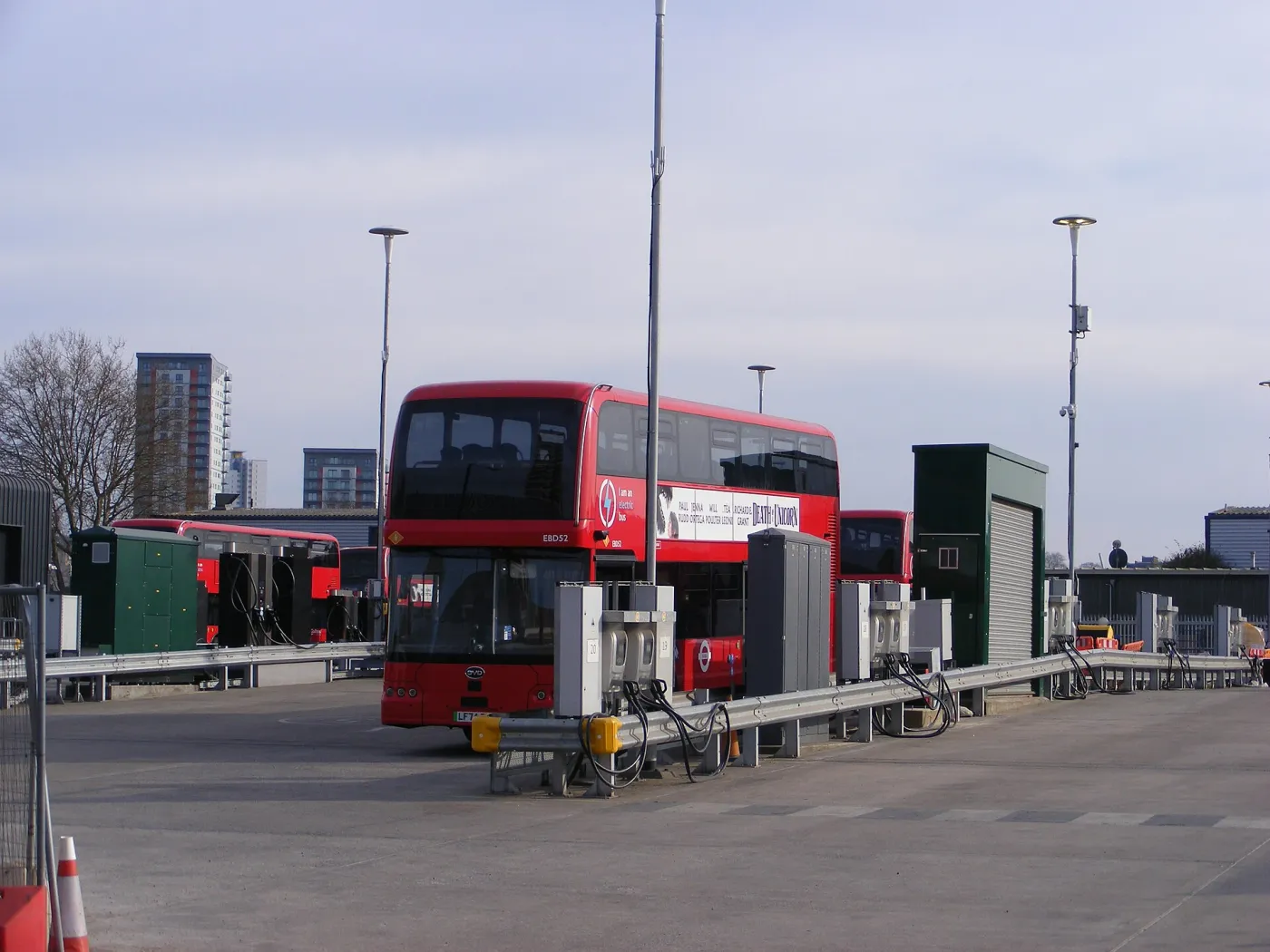
8 Indian manufacturers build this
Bus and truck depots, large highway plazas, fleet hubs
You do not need a licence to set up or operate a public EV charging station in India. The Ministry of Power de-licensed charging as an activity, so it is not a regulated business.
What you do need:
PM E-DRIVE allocates ₹2,000 crore for about 72,300 chargers and funds up to 80% of upstream infrastructure at commercial locations, with benchmark costs from ₹6.04 lakh for chargers up to 50 kW to ₹24 lakh above 150 kW. The important catch is who can apply: applications route through central ministries, CPSEs, autonomous bodies and state nodal agencies, not private site owners directly.
So if a vendor promises to "get you the PM E-DRIVE subsidy" for a private petrol pump, ask which nodal agency is sponsoring the application. Some state EV policies do offer direct capital subsidies to private operators — those are worth chasing, and they vary by state, which is why our city pages carry the local position.
Full detail on subsidy and policy →
Six to twelve weeks if your electrical infrastructure is already adequate. Three to six months if it is not. The charger ships in two to four weeks; what sets your timeline is the DISCOM. A commercial connection on an existing adequate feeder is typically sanctioned in three to four weeks, while a transformer upgrade or new feeder can take three months or longer.
The equipment price comes from the manufacturer, against your actual specification and order size — we do not publish it, because any published band is wrong for most buyers. What we can tell you is everything else, which is the part that surprises people: civil work and canopy (₹1.5–3 lakh), a transformer or sanctioned load upgrade (₹1–4 lakh), the DISCOM commercial connection with deposits (₹50,000–2 lakh), and commissioning with first-year AMC (₹40,000–1.5 lakh). Most first-time buyers budget only for the charger and get caught by the electrical infrastructure.
No licence is required. The Ministry of Power has explicitly de-licensed EV charging — operating a public charging station is not a regulated activity, so you do not need a power trading or distribution licence. You do need a commercial electricity connection from your DISCOM with adequate sanctioned load, and your installation must meet CEA safety standards and local electrical inspectorate approval. GST registration applies to the service revenue.
Realistically ₹25,000–80,000 of gross margin per month for a well-sited 60 kW station in year one. The arithmetic: at 6 cars a day, 25 kWh per session, selling at ₹20/kWh against an ₹8/kWh power cost, you gross about ₹90,000 and keep roughly ₹54,000 before platform commission, rent, AMC and demand charges. Utilisation is everything — the same hardware at 2 cars a day loses money. Be sceptical of any projection that assumes high utilisation from month one.
PM E-DRIVE subsidises charging infrastructure heavily, but private site owners cannot apply directly. Applications route through central ministries, CPSEs, autonomous bodies and state nodal agencies. The scheme allocates ₹2,000 crore for about 72,300 chargers and funds up to 80% of upstream infrastructure at commercial locations, 100% at government buildings with free public access, with benchmark costs from ₹6.04 lakh for chargers up to 50 kW to ₹24 lakh above 150 kW. If a vendor tells you they will "get you the PM E-DRIVE subsidy" for a private petrol pump, ask exactly which nodal agency is sponsoring the application.
About 25–30 square metres per DC charging bay, including turning space. A two-bay 60 kW station works comfortably in 50–60 sq m, which is roughly two car parking spots plus clearance for the charger, canopy footing and cable movement. You do not need a large plot — you need the right plot, with road visibility, safe entry and exit, and existing sanctioned load nearby.
Six to twelve weeks if your electrical infrastructure is already adequate, and three to six months if it is not. The charger itself arrives in two to four weeks. What sets your timeline is the DISCOM: a commercial connection on an existing adequate feeder can be sanctioned in three to four weeks, while a transformer upgrade or new feeder can take three months or more depending on your utility.
Buy DC where cars pass through and AC where cars park. DC fast chargers (30–240 kW) convert power externally and fill a car to 80% in 20–45 minutes, which suits highways, petrol pumps and public stations. AC chargers (7.4–22 kW) rely on the car's onboard charger and take 2–8 hours, which is perfect for homes, hotels, offices and malls where the car sits anyway. A 22 kW AC destination charger at a hotel often makes more business sense than a 60 kW DC unit at a fifth of the capital cost.
Buy outright if you own the site and want the margin; take a franchise if you want someone else to run operations. Outright ownership means you keep the full spread between your power cost and retail price, but you own uptime, payment reconciliation and customer complaints. Franchise or revenue-share models from network operators hand you a smaller per-unit cut, typically with the operator managing the app, pricing and maintenance. Franchise investment tickets in India commonly start around ₹30 lakh.
OCPP is the open protocol that lets a charger talk to any management platform, and insisting on OCPP 1.6J or higher is what stops you being locked to one vendor. A non-OCPP charger can only be managed by its manufacturer's software, so if you ever want to switch networks, change pricing logic, or join an aggregator app, you cannot. It costs nothing extra to specify. Ask for it in writing.
Four things that vendors routinely quote separately or not at all: the transformer or sanctioned load upgrade, the DISCOM security deposit, demand charges on your monthly bill, and platform commission on every unit you sell. Demand charges in particular catch people out — a commercial connection bills you on your peak sanctioned demand whether you use it or not, so an underutilised 120 kW connection bleeds money every month. Always compare landed cost and monthly fixed cost, never just hardware price.
Your DISCOM, your commercial tariff and your local policy change these numbers more than your choice of charger brand does.
Tell us the city, whether you own the plot and your sanctioned load. We will come back with what the transformer position looks like and quotes from vendors who work there.
Free, and we will tell you if the site does not work. Call +91 77788 04214 if you would rather talk.


