
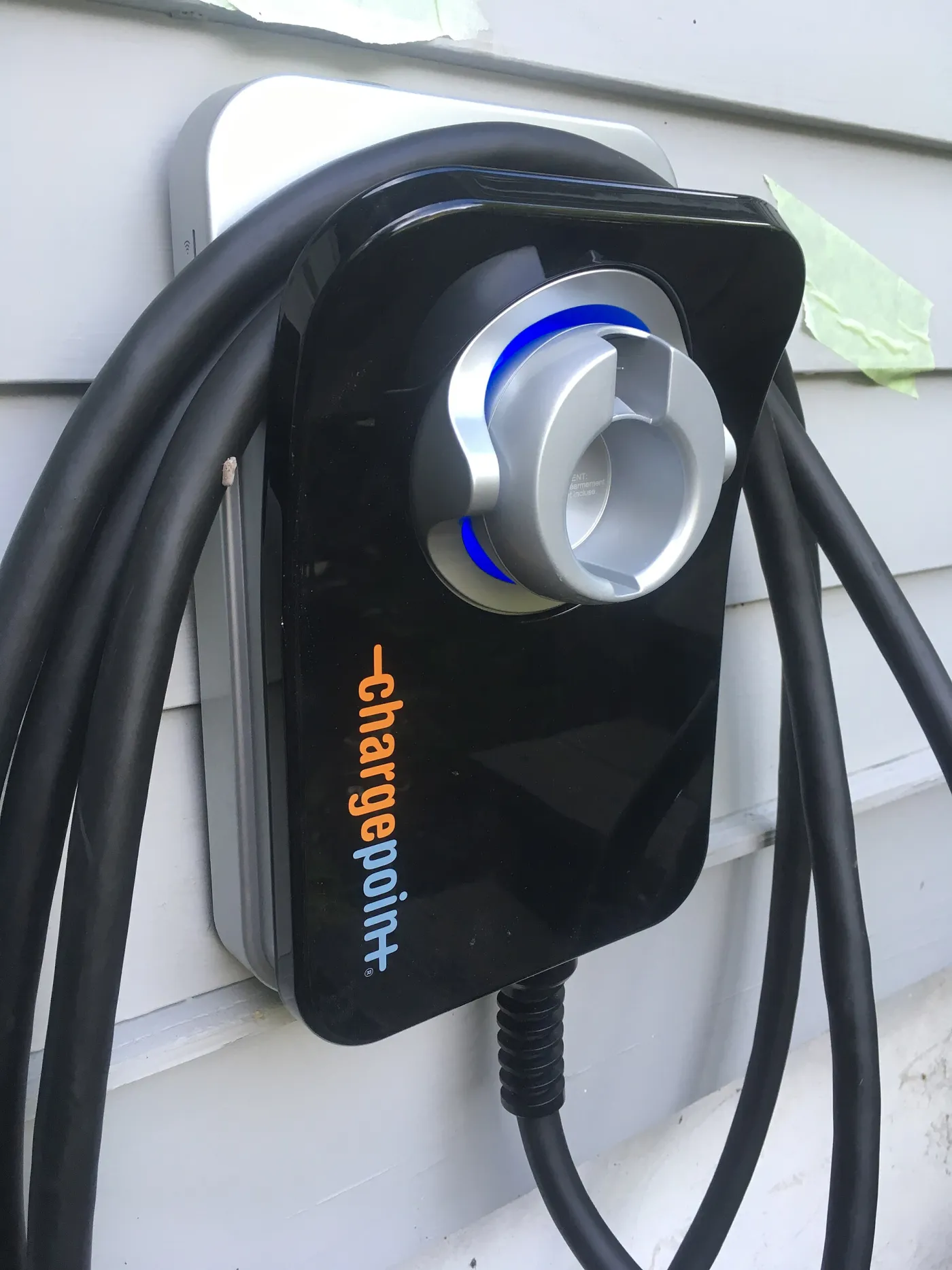

AC 7.4 kW wallbox
9 Indian manufacturers build this
- Power
- 7.4 kW
- Connector
- Type 2
- Charge time
- 6–8 hours for a 40 kWh car
Homes, villas, individual society parking bays
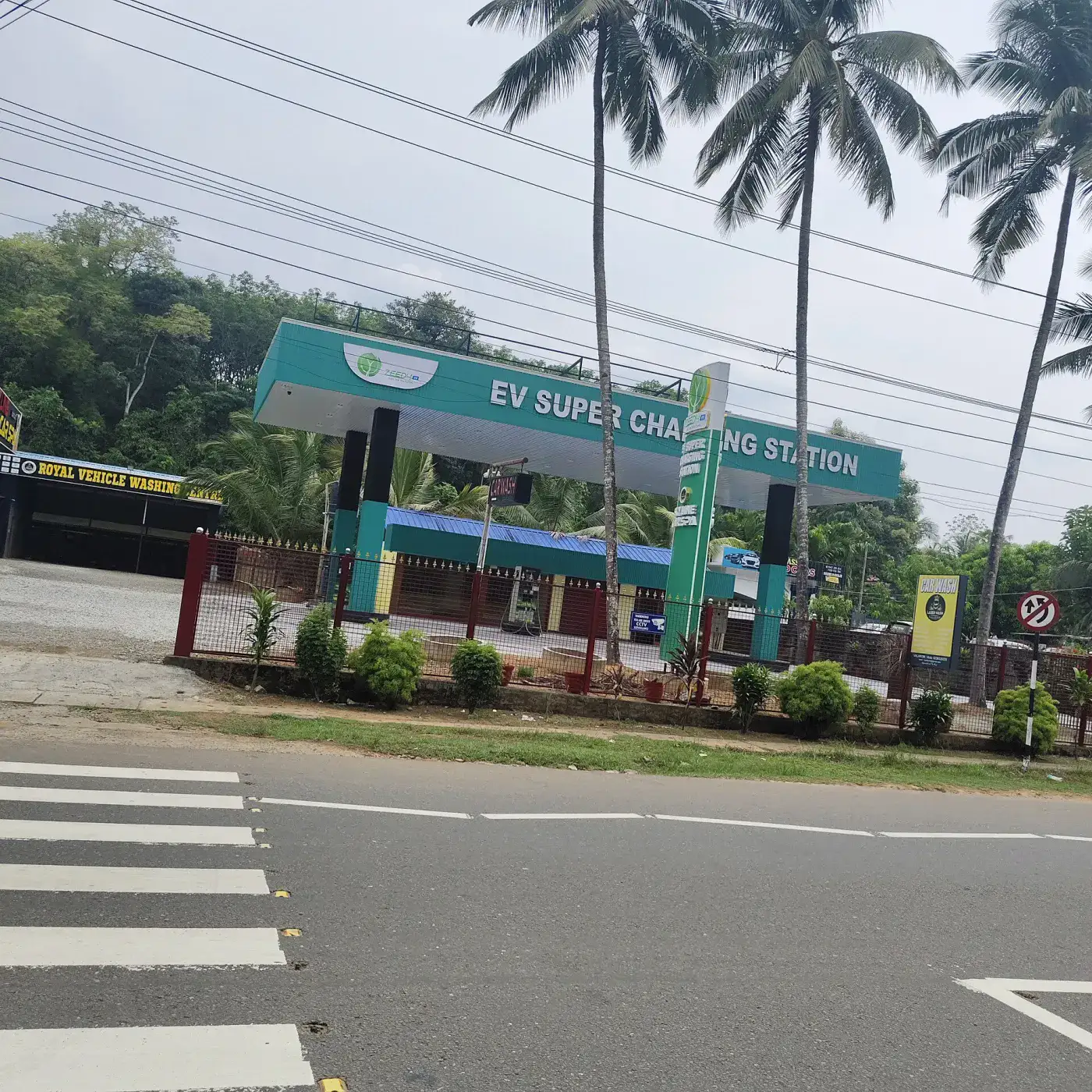
Only worth it where throughput is genuinely constrained. At low utilisation you are paying for capacity you never sell.
30 to 120 kW CCS2 chargers for public sites, petrol pumps and highway stops. We introduce you to the ones that fit your site, and they quote you directly — specification, order size and site works move the number too much for a list price to mean anything.
| Power output | 120 kW |
|---|---|
| Connector | CCS2 × 2 |
| Guns | 2 |
| Supply | Three phase |
| Current | Up to 200 A DC |
| Charge time | 20–30 minutes to 80% |
| Cable | 5 m × 2, CCS2 |
| Protection | IP54 |
| Protocol | OCPP 1.6J or higher |
| Warranty | 2 years on power modules |
Booking opens WhatsApp with this model already filled in. Free for buyers — vendors pay us, you don't.
Only worth it where throughput is genuinely the constraint — a busy highway plaza, a city hub with queues. At low utilisation you pay monthly demand charges on capacity you never sell, which is the most common way a charging station quietly loses money.
All CCS2 cars; best suited to larger batteries that can accept high rates.
Three-phase, around 135 kW of load, almost always a dedicated transformer.
We send this straight to the Indian manufacturers who build this class of unit. They quote you — we never publish a price.
Send on WhatsAppOpens a chat on +91 77788 04214. Nothing is stored here — you press send. Free for buyers: manufacturers pay us when a deal closes.
Your message
The DC 120 kW dual-gun is one line. These are the others, and they are where first-time buyers get caught out.
| What you are paying for | Low | High | Why it moves |
|---|---|---|---|
| Civil work, canopy, foundation, cabling | ₹1.5 L | ₹3.0 L | Higher if you want weather protection and lighting, which you should. |
| Transformer or sanctioned load upgrade | ₹1.0 L | ₹4.0 L | The single most common budget shock. Depends entirely on your existing feeder. |
| DISCOM commercial connection, deposits, liaisoning | ₹0.50 L | ₹2.0 L | Security deposit scales with sanctioned load and is refundable but ties up cash. |
| Network software, signage, commissioning, first-year AMC | ₹0.40 L | ₹1.5 L | Platform commission on every unit sold is separate and ongoing. |
| Site works, before equipment | ₹3.4 L | ₹10.5 L | Add the manufacturer's equipment quote to this. Compare the total, never the hardware alone. |
24 Indian manufacturers build this class of charger, including Exicom Tele-Systems, Delta Electronics India, Servotech Power Systems, ABB India and others. Pricing varies by specification, order quantity and how much site work your location needs, so the manufacturer quotes you directly rather than from a list price. Tell us about your site and we make the introduction.
Three-phase, around 135 kW of load, almost always a dedicated transformer. A three-phase connection is required.
All CCS2 cars; best suited to larger batteries that can accept high rates. The connector is CCS2 × 2, which is the standard in India.
OCPP is the open protocol that lets a charger talk to any management platform, and insisting on OCPP 1.6J or higher is what stops you being locked to one vendor. A non-OCPP charger can only be managed by its manufacturer's software, so if you ever want to switch networks, change pricing logic, or join an aggregator app, you cannot. It costs nothing extra to specify. Ask for it in writing.
Four things that vendors routinely quote separately or not at all: the transformer or sanctioned load upgrade, the DISCOM security deposit, demand charges on your monthly bill, and platform commission on every unit you sell. Demand charges in particular catch people out — a commercial connection bills you on your peak sanctioned demand whether you use it or not, so an underutilised 120 kW connection bleeds money every month. Always compare landed cost and monthly fixed cost, never just hardware price.
9 Indian manufacturers build this
Homes, villas, individual society parking bays
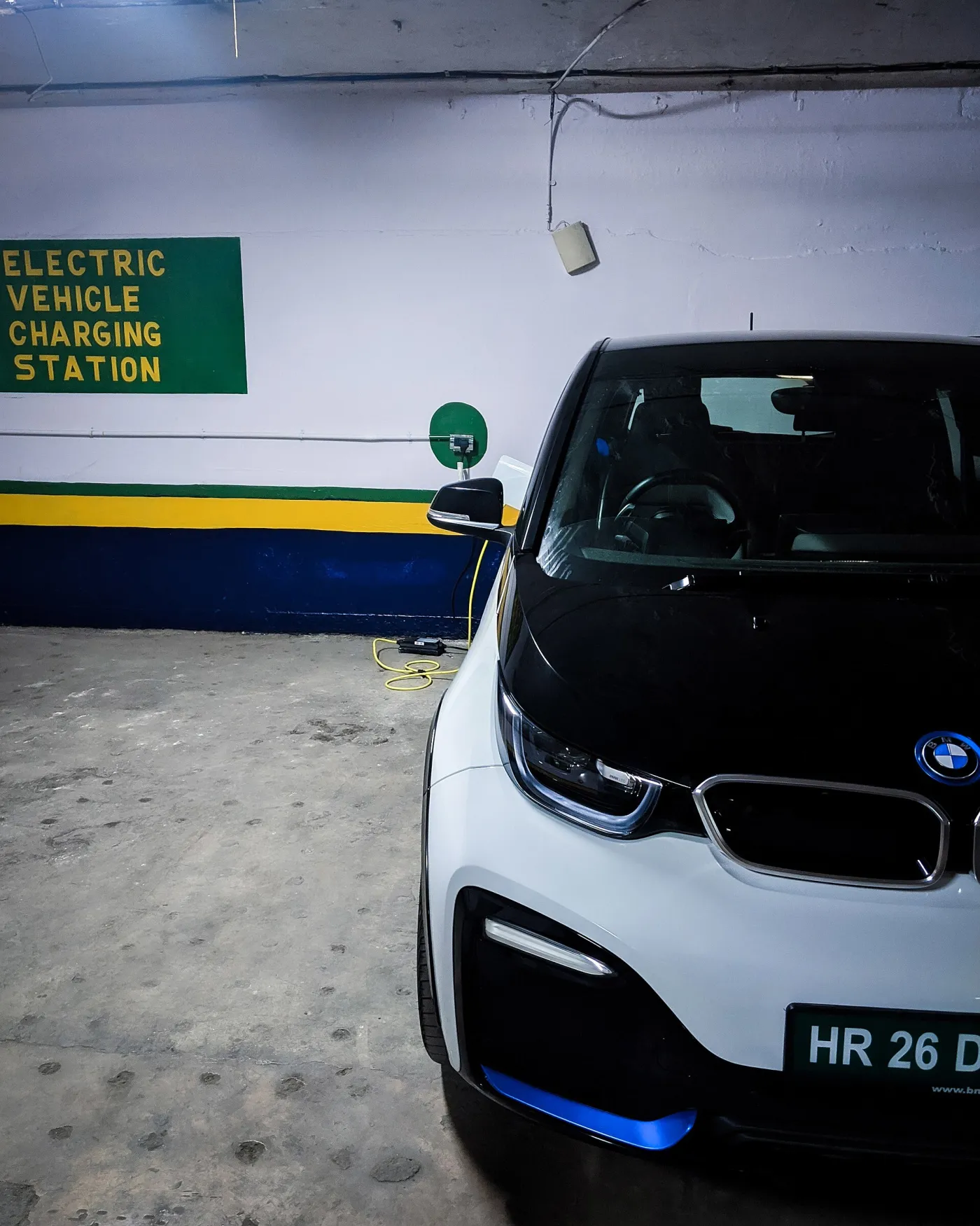
20 Indian manufacturers build this
Offices, hotels, malls, long-dwell parking
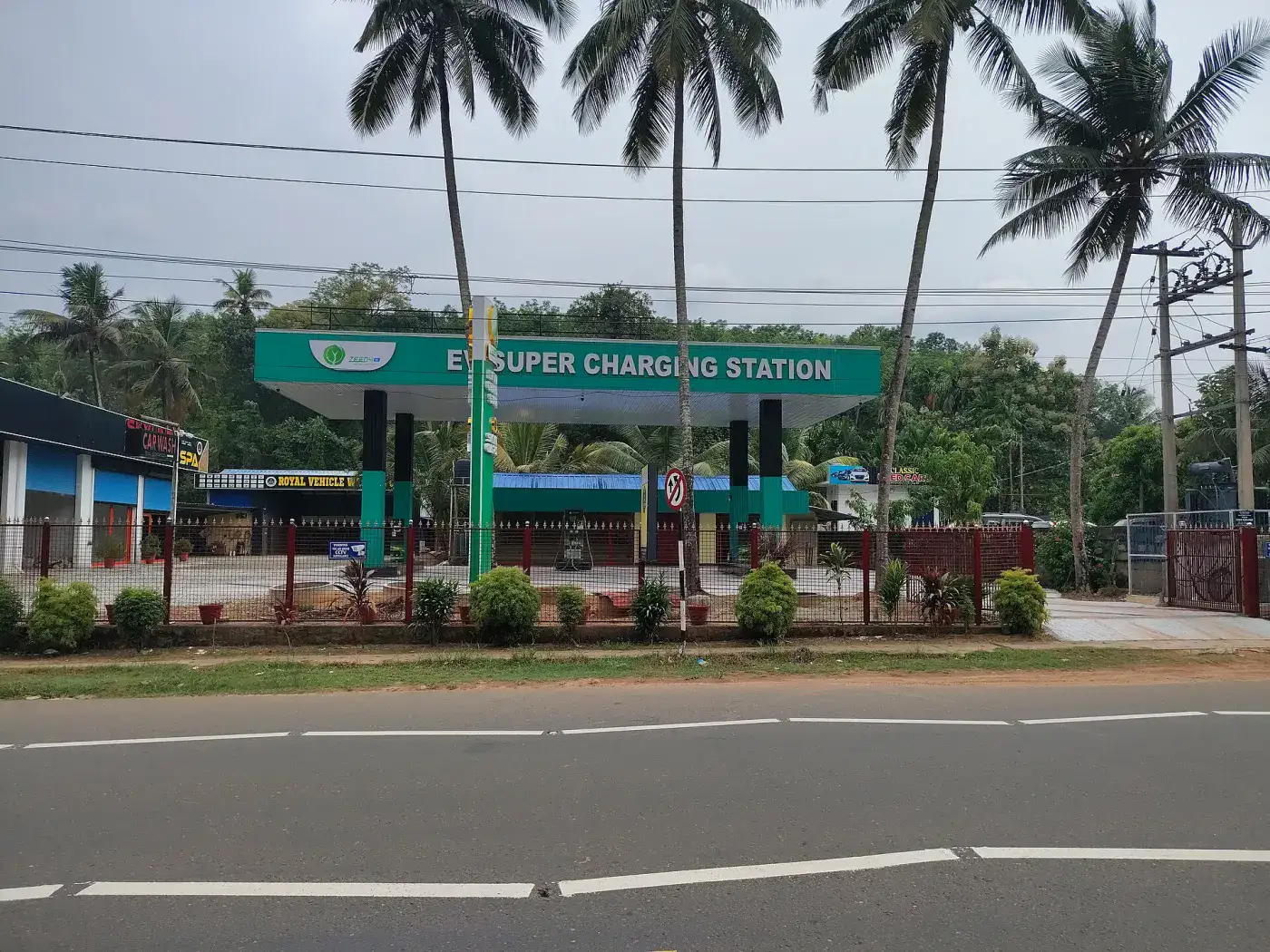
24 Indian manufacturers build this
Small commercial sites, dealerships, single-gun captive use

