

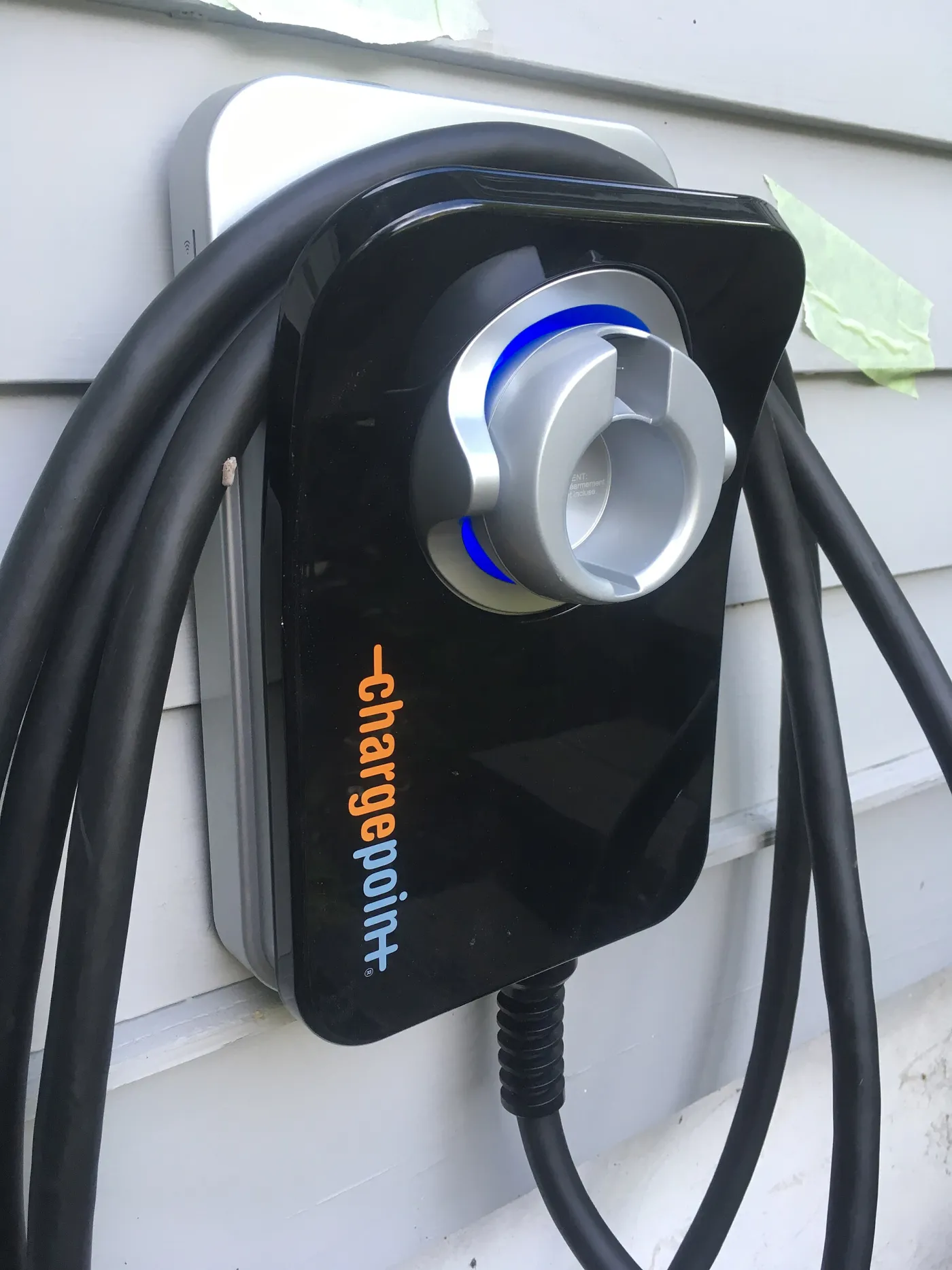

AC 7.4 kW wallbox
9 Indian manufacturers build this
- Power
- 7.4 kW
- Connector
- Type 2
- Charge time
- 6–8 hours for a 40 kWh car
Homes, villas, individual society parking bays
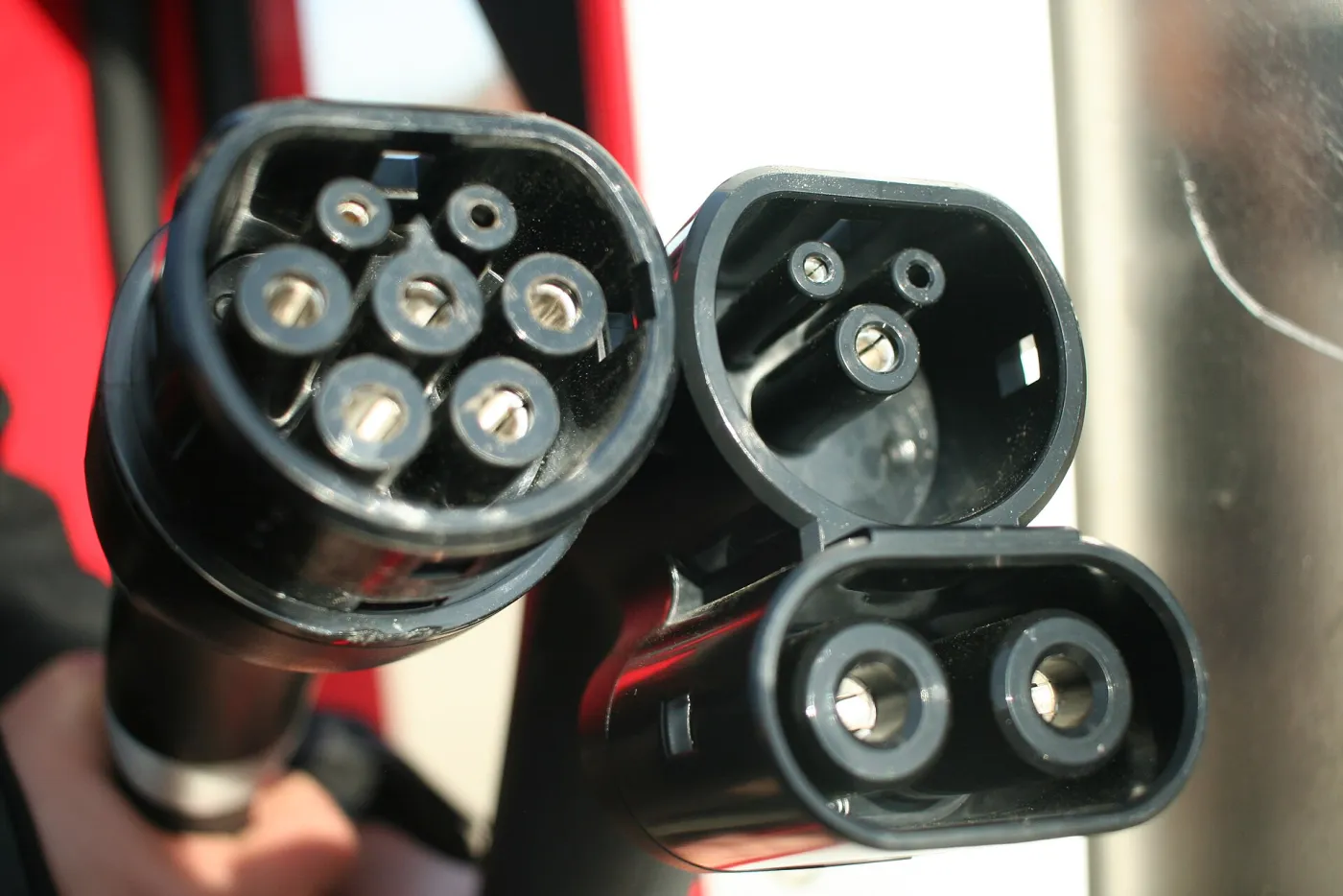
CCS2 and Type 2 outlets on one dual-cable DC charger.
Buy DC where cars pass through, and AC where cars park. That one rule settles most decisions.
DC fast chargers from 30 to 240 kW convert power externally and fill a car to 80% in 20-45 minutes, which suits highways, petrol pumps and public stations. AC chargers from 7.4 to 22 kW rely on the car's own onboard charger and take 2-8 hours, which is ideal wherever a car sits anyway.
The most common expensive mistake in India is a hotel or mall buying a 60 kW DC charger when a 22 kW AC destination charger would have produced the same guest satisfaction at a fifth of the capital cost, because the car was parked for six hours regardless.
Opens a chat on +91 77788 04214. Nothing is stored here — you press send. Free for buyers: manufacturers pay us when a deal closes.
Your message
Power rating is a business decision, not a technical one. Match it to the dwell time your site actually has.
9 Indian manufacturers build this
Homes, villas, individual society parking bays
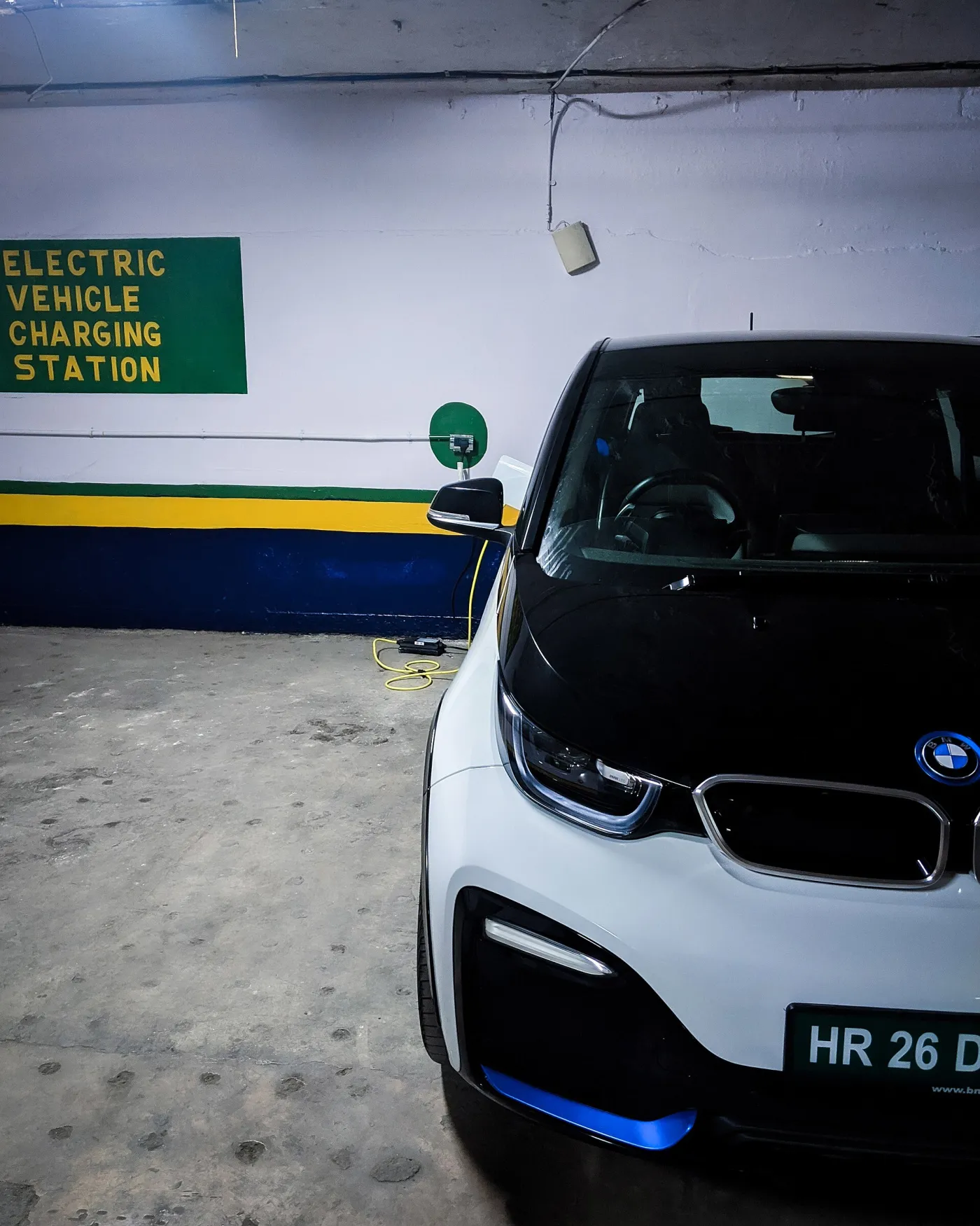
20 Indian manufacturers build this
Offices, hotels, malls, long-dwell parking
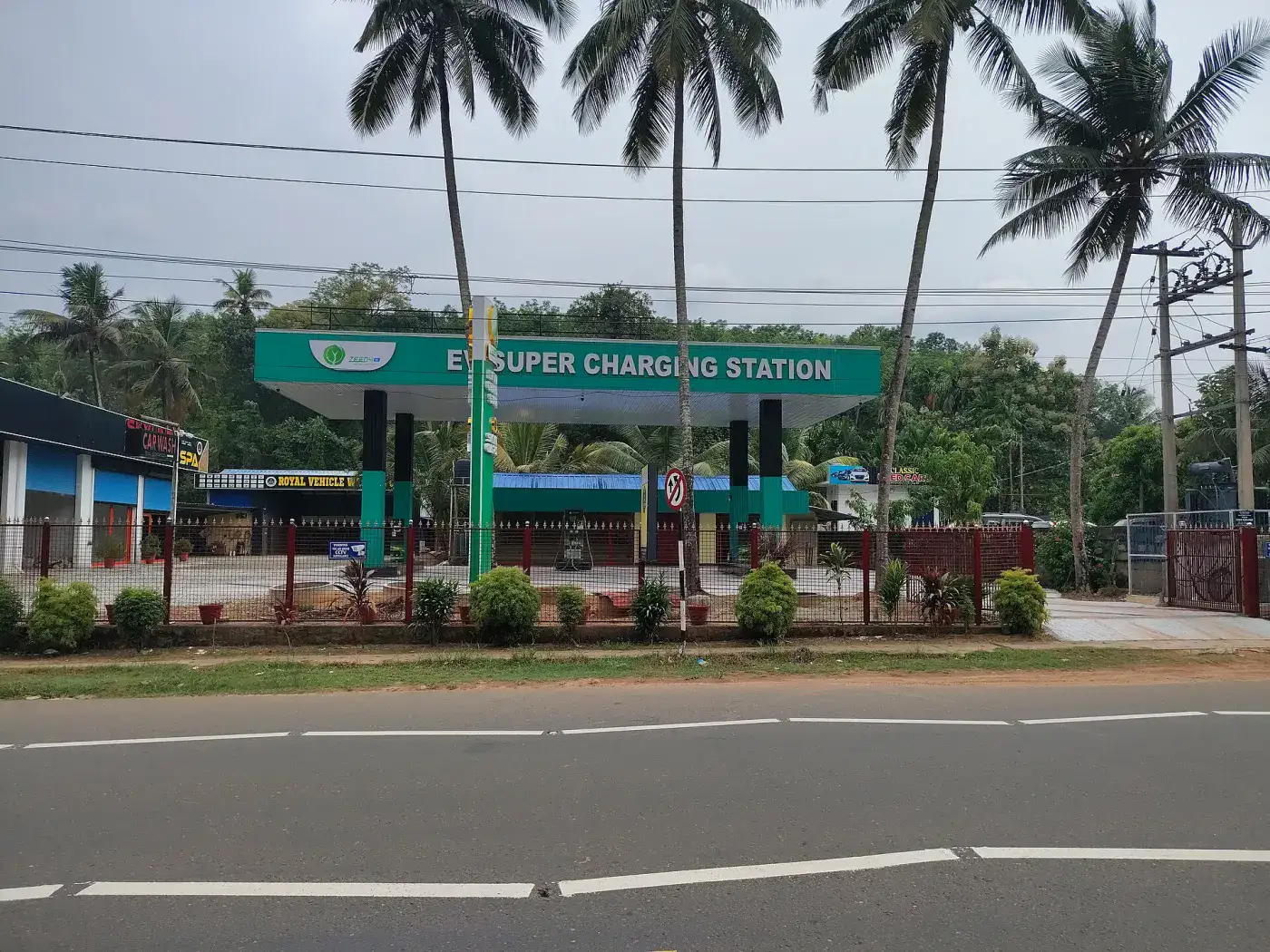
24 Indian manufacturers build this
Small commercial sites, dealerships, single-gun captive use
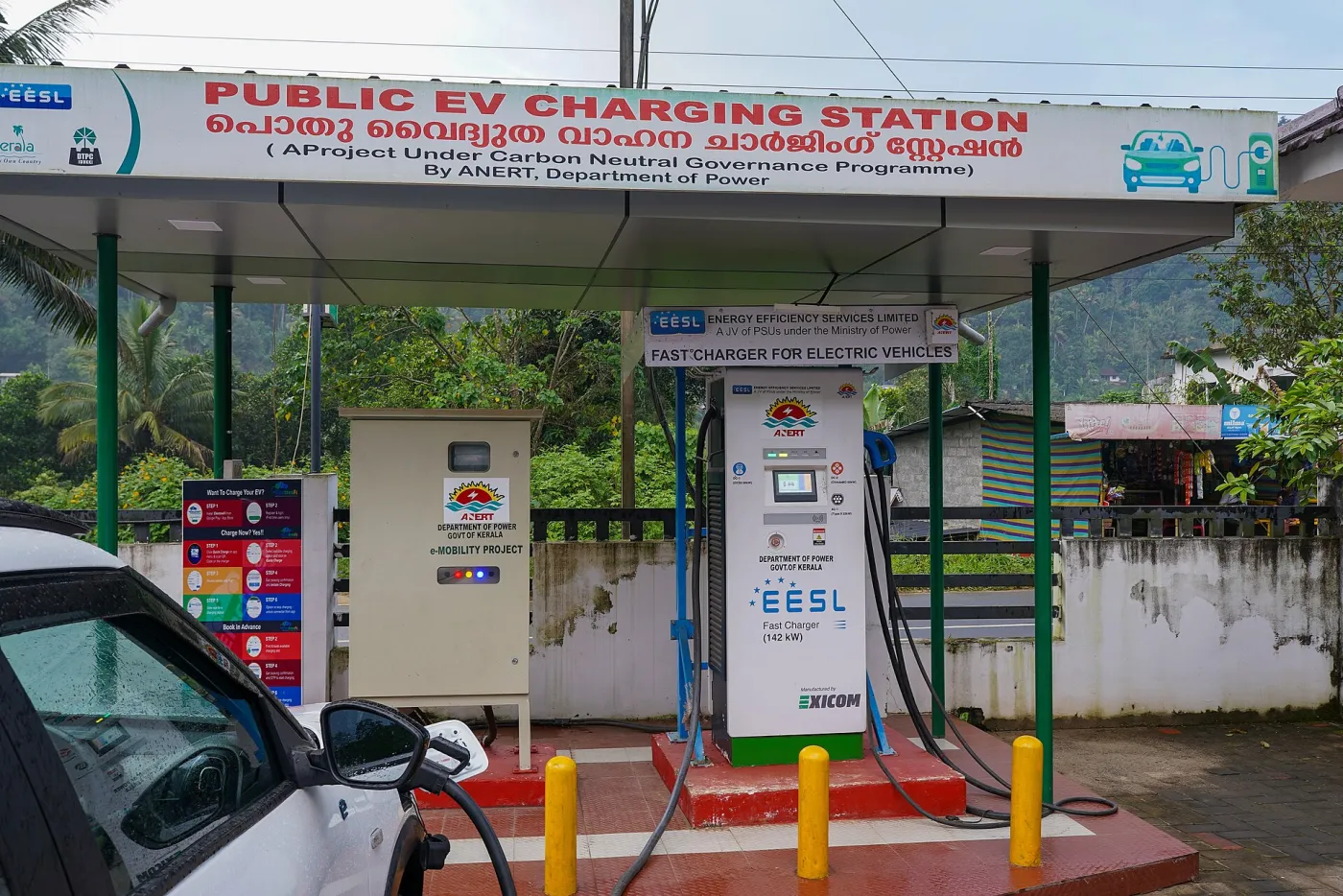
24 Indian manufacturers build this
Public stations, petrol pumps, highway sites, hotels
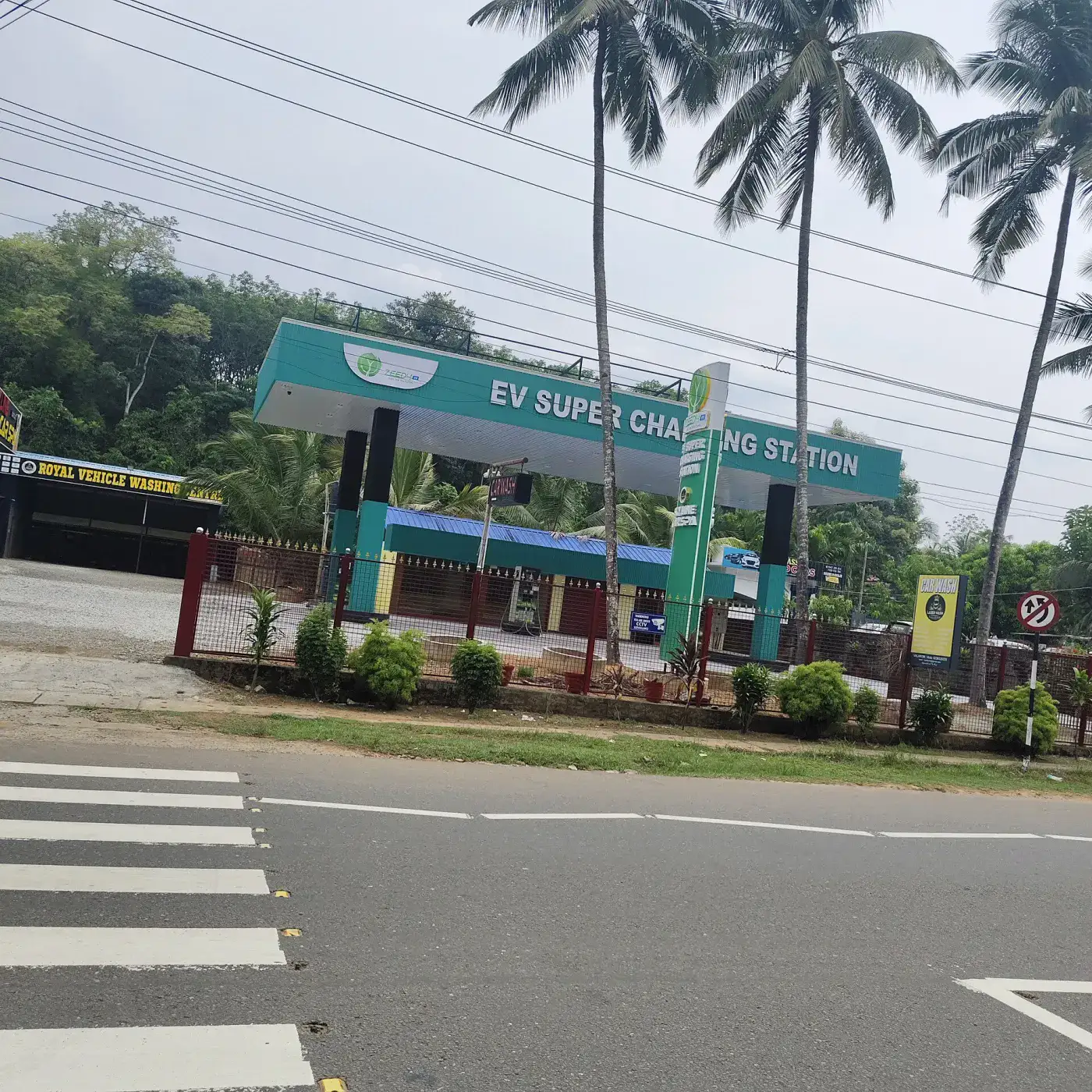
24 Indian manufacturers build this
Highway corridors, high-footfall urban hubs
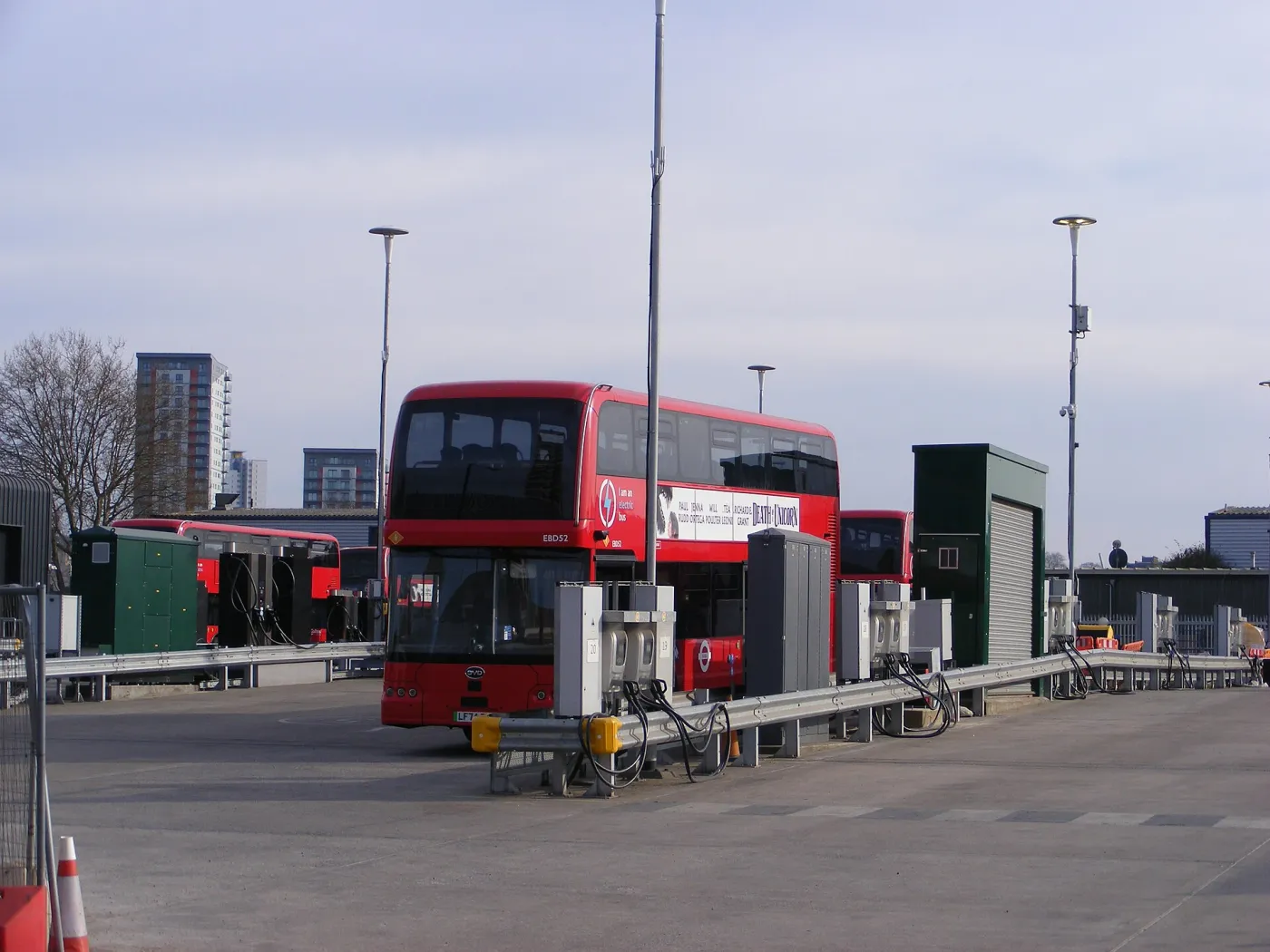
8 Indian manufacturers build this
Bus and truck depots, large highway plazas, fleet hubs
Everything above 7.4 kW needs a three-phase connection. If your site is single-phase, add the cost of converting before you compare quotes — it is a DISCOM job, not a vendor job, and it is not in anybody's hardware price.
Buy DC where cars pass through and AC where cars park. DC fast chargers (30–240 kW) convert power externally and fill a car to 80% in 20–45 minutes, which suits highways, petrol pumps and public stations. AC chargers (7.4–22 kW) rely on the car's onboard charger and take 2–8 hours, which is perfect for homes, hotels, offices and malls where the car sits anyway. A 22 kW AC destination charger at a hotel often makes more business sense than a 60 kW DC unit at a fifth of the capital cost.
OCPP is the open protocol that lets a charger talk to any management platform, and insisting on OCPP 1.6J or higher is what stops you being locked to one vendor. A non-OCPP charger can only be managed by its manufacturer's software, so if you ever want to switch networks, change pricing logic, or join an aggregator app, you cannot. It costs nothing extra to specify. Ask for it in writing.
About 25–30 square metres per DC charging bay, including turning space. A two-bay 60 kW station works comfortably in 50–60 sq m, which is roughly two car parking spots plus clearance for the charger, canopy footing and cable movement. You do not need a large plot — you need the right plot, with road visibility, safe entry and exit, and existing sanctioned load nearby.
The equipment price comes from the manufacturer, against your actual specification and order size — we do not publish it, because any published band is wrong for most buyers. What we can tell you is everything else, which is the part that surprises people: civil work and canopy (₹1.5–3 lakh), a transformer or sanctioned load upgrade (₹1–4 lakh), the DISCOM commercial connection with deposits (₹50,000–2 lakh), and commissioning with first-year AMC (₹40,000–1.5 lakh). Most first-time buyers budget only for the charger and get caught by the electrical infrastructure.
Tell us what the site is and how long cars stay. We will tell you the right power rating before anyone quotes you, including when the answer is a cheaper charger than you expected.


